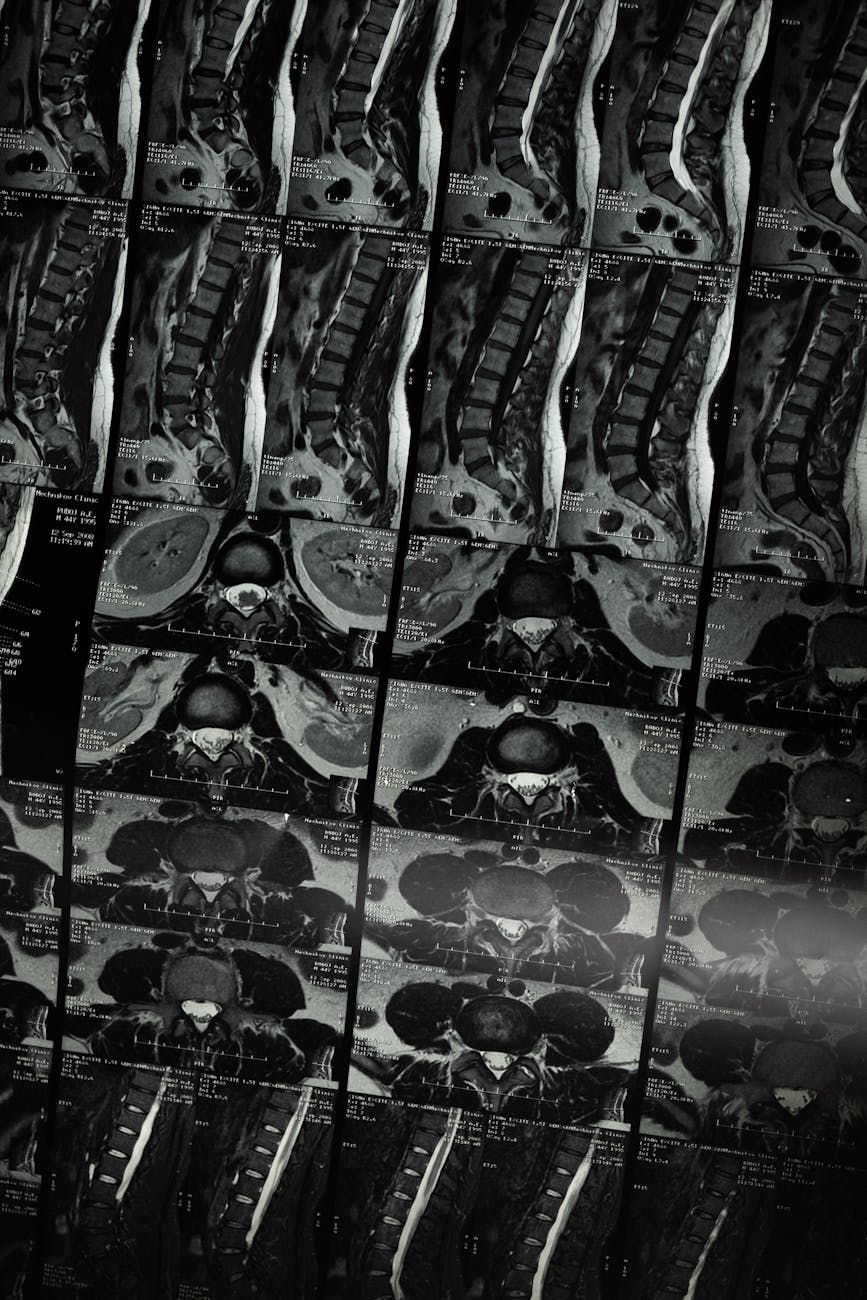
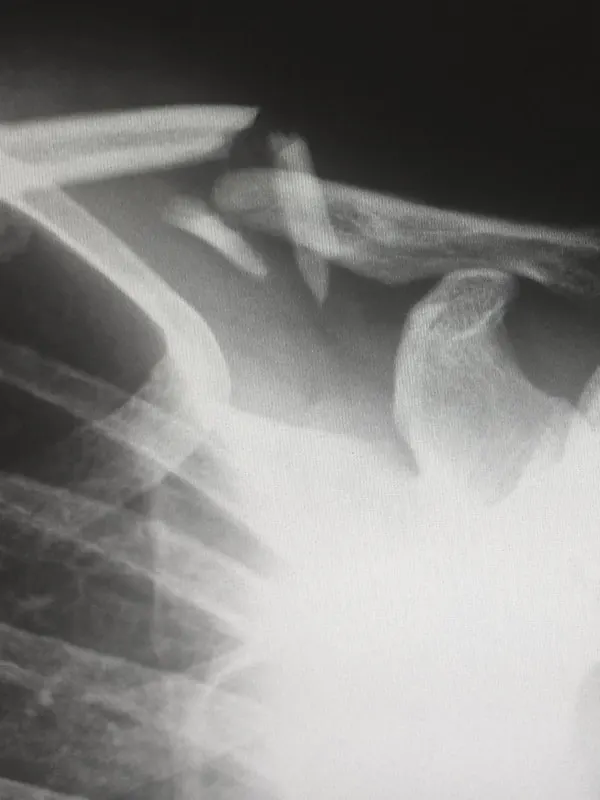



Case Intake
Portal or secure intakeSubmit imaging, reports, and relevant records through the ExRad Portal or secure intake. The case stays visible from submission through delivery.
When imaging is central to a legal matter, the expert opinion has to be clinically grounded, clearly explained, and limited to what the record can support. Expert Radiology routes matters to credentialed radiologists by anatomy, modality, jurisdiction, availability, and case fit, then supports the legal team with record review, visual report materials, and testimony support when the engagement calls for it.




Board-certified neuroradiologist. Co-founder. 400+ depositions delivered. That background now supports a specialty-matched legal review workflow across Expert Radiology physicians, including neuro and MSK readers when the matter calls for them.
Founder profile
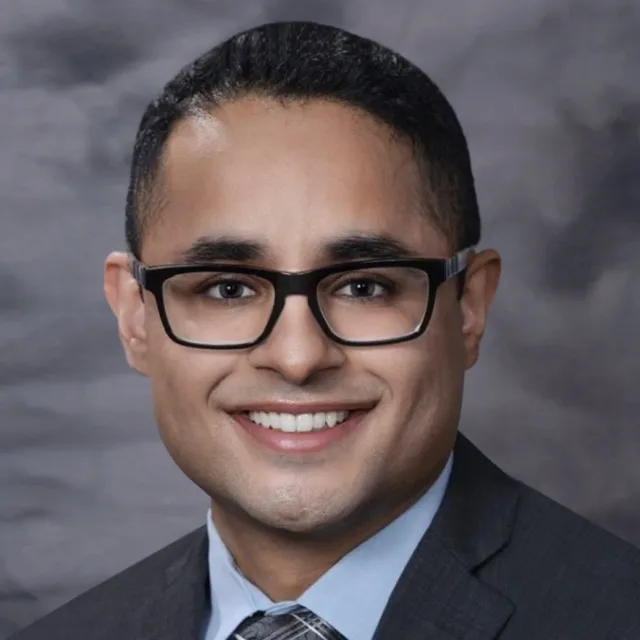
Dr. Knapp, M.D.
Dr. Knapp's expert-witness background shaped the workflow: clarify the imaging question early, route the matter to the right subspecialist, and make the report usable for the legal team before testimony is considered.
PrecisionPlus v3™ is built for the way imaging evidence actually gets explained. Colorized key images, anatomical illustrations, and structured report context live inside the report package, helping the legal team understand what the radiologist is describing while use in mediation, deposition, or trial remains case-, court-, jurisdiction-, and expert-dependent.
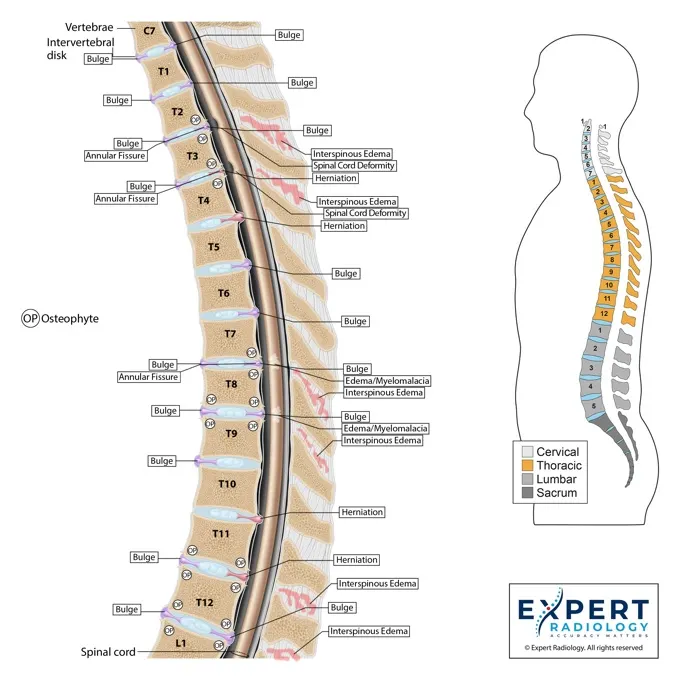
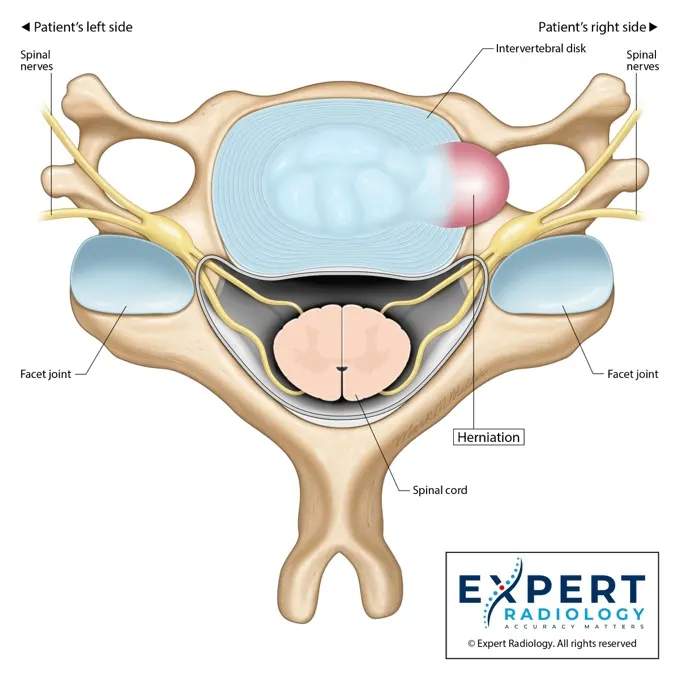
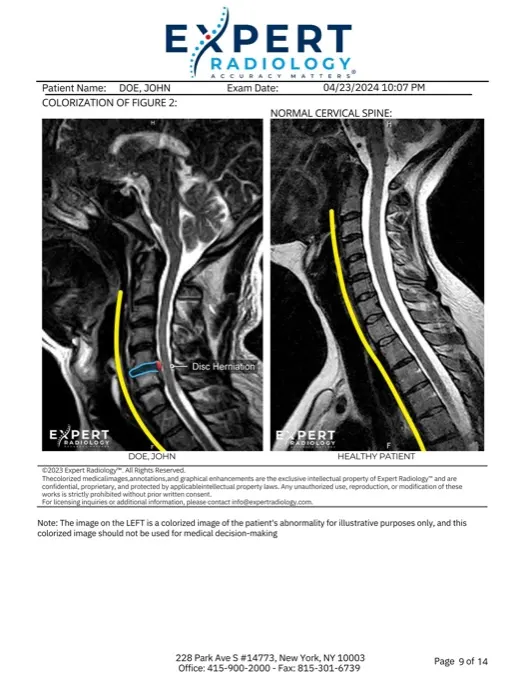
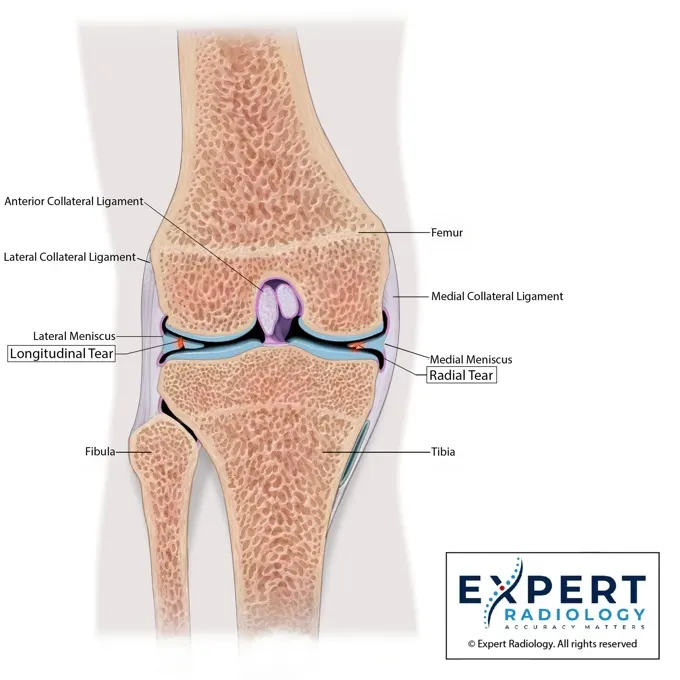
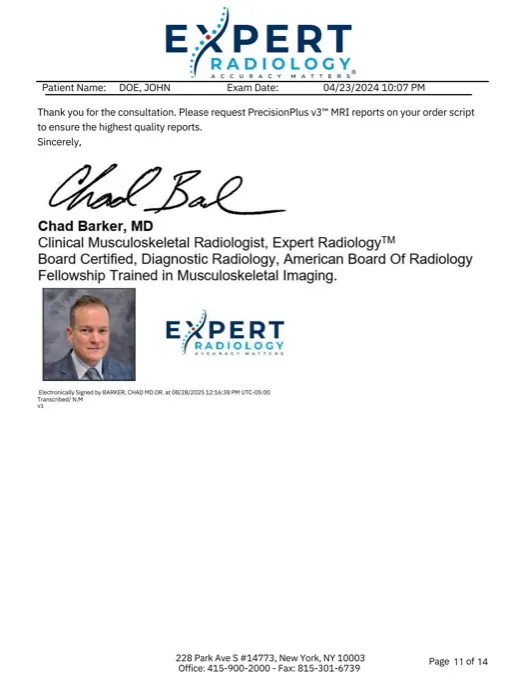
Prior imaging. Treatment notes. ER records. Surgical plans. Then we correlate. Where findings match, where they diverge, and what questions the record still leaves open for your case strategy. You don't get a read. You get a roadmap.
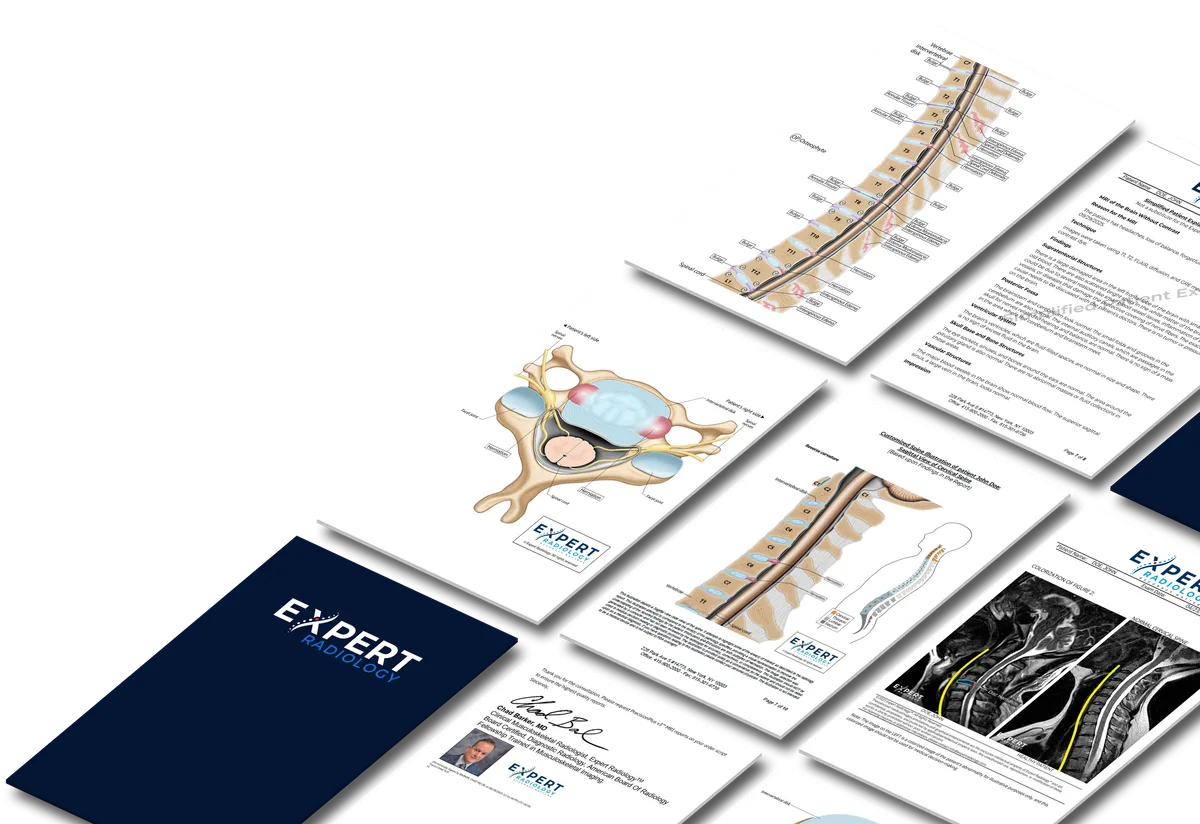
Full-record correlation · Delivered in one PDF.
When imaging language is broad, incomplete, or disconnected from the treatment record, a subspecialty re-read helps your team understand what the medicine can support before mediation, deposition, or trial.
Subspecialty
Record
Portal
A second opinion should make the record easier to understand without overstating what the imaging can prove.
Specialty fit
Anatomy, modality, materials, and availability are checked before the review proceeds.
Record context
The study, original report, and provided clinical records are read together when available.
Scoped next step
Report materials, visual support, or expert discussion are scoped to the matter and assigned expert.
No legal advice. No treating-clinician role unless separately engaged and documented.
Your team gets a predictable review workflow: secure intake, specialty routing, visual report support, and testimony support when the matter calls for it.
Submit imaging, reports, and relevant records through the ExRad Portal or secure intake. The case stays visible from submission through delivery.
The matter is routed by anatomy, modality, jurisdiction, availability, and case fit so the right credentialed physician reviews it.
The report package can include structured findings, colorized key images, and custom anatomical illustrations in one review-ready PDF.
When testimony support is part of the engagement, the legal team can conference with the assigned expert about the imaging, the record materials reviewed, the limits of the opinion, and the questions likely to need explanation.
Deposition or trial support is scoped around the expert, the jurisdiction, and the exhibits your team needs to explain the medicine clearly.
Expert review is strongest when the opinion follows the imaging, the record, and the physician's qualifications, not the side that retained the expert.
Expert Radiology physicians are asked to evaluate imaging and related records within their qualifications. When a requested opinion falls outside the physician's subspecialty, licensure, available materials, or role in the matter, the review should be declined, rerouted, or narrowed before work proceeds.
Expert witness support is separate from treating-clinician care. Unless separately engaged and documented, Expert Radiology physicians are not acting as treating physicians for the patient and do not provide legal advice. Deposition, trial, or exhibit use depends on the case facts, the assigned expert, the jurisdiction, and the court.
The risk is not uncertainty itself. It is an opinion that does not explain its support and limits.
In demand letters, mediation, and deposition prep, unclear imaging language can leave the legal team translating medical findings without the right clinical context.
The goal is not to remove appropriate uncertainty. It is to make the opinion, the support, and the limits clear enough for the legal team to understand.
What unsupported ambiguity creates
Open-ended findings can leave causation, acuity, and severity vulnerable to being recast as nonspecific, unrelated, or unsupported by the record.
What a clearer package adds
The imaging and report are reviewed in context by the right radiology expertise for the anatomy, modality, and legal question.
What unsupported ambiguity creates
When the report does not explain what the imaging can and cannot support, attorneys and case managers are left trying to turn medical language into usable case understanding.
What a clearer package adds
Colorized key images and custom illustrations give non-medical audiences a fast, credible way to understand what the report is describing.
What unsupported ambiguity creates
Without key images and illustrations, non-medical audiences may be asked to trust a dense paragraph instead of seeing the finding and the limits of what it shows.
What a clearer package adds
The same report package can support demand letters, mediation, deposition prep, and expert discussion without rebuilding the imaging explanation each time.
Board-certified expertise across neuro, MSK, spine, and body imaging, coordinated to support routine demand, overflow, and growth.

Board Certified Radiologist
Fellowship Trained, Neuroradiology

Board Certified Radiologist
Fellowship Trained, MSK
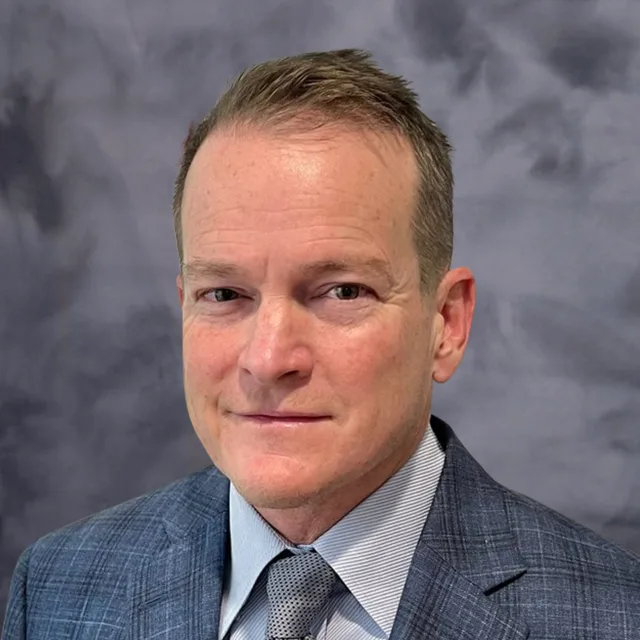
Board Certified Radiologist
Fellowship Trained, MSK

Board Certified Radiologist
Fellowship Trained, Neuroradiology
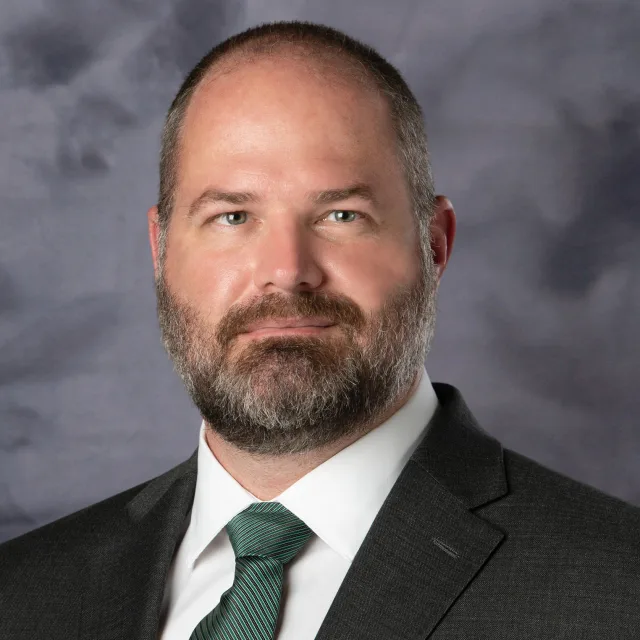
Board Certified Radiologist
Fellowship Trained, MSK

Board Certified Radiologist
Fellowship Trained, Neuroradiology

Board Certified Radiologist
Fellowship Trained, MSK
Board Certified Radiologist
Fellowship Trained, Neuroradiology

Board Certified Radiologist
Fellowship Trained, Neuroradiology

Board Certified Radiologist
Fellowship Trained, Musculoskeletal MRI
We're looking for board-certified subspecialty radiologists who want flexibility, fair compensation, and meaningful work.
See the PracticeBoard-certified radiologists with subspecialty depth across neuro, MSK, spine, and body imaging. The roster behind PrecisionPlus v3™ reads.
Approved testimonials focused on clarity, process, and report usefulness without implying outcome, admissibility, or side-specific advantage.
“The v3™ reports are incredibly helpful to transform raw images into clear, precise, and easy-to-understand pictures that have great evidentiary value. They are a great source of demonstrative evidence highlighting the findings, turning it into compelling testimony that is always grounded in science.”
“PrecisionPlus v3™'s illustrations were ready to use — we mounted them and walked the jury through the injuries. It saved time, reduced costs, and delivered real impact in the courtroom. If you're not using it for second opinions — or better yet, working with centers that offer it as a treating radiologist — you could be leaving significant value on the table.”
“These are the most effective MRI reports I've seen in my career. A true game changer for understanding and proving injury.”
“When I try injury cases, I want the MRI to be PrecisionPlus v3™. The quality of the read and medical illustrations makes my client's injuries clear, credible, and impossible to ignore.”
Straight answers on qualifications, turnaround, fees, and what happens when you request expert review support.
Expert witness support is handled by credentialed Expert Radiology physicians with board certification, fellowship training, and subspecialty expertise when case fit allows. Matters are routed by anatomy, modality, jurisdiction, availability, materials provided, and the role requested.
New matters are reviewed for specialty fit, jurisdiction, availability, and the materials needed to form a useful opinion. Dr. Knapp's deposition background shaped the workflow, but legal reviews are not treated as a single-physician intake channel.
When testimony support is part of the engagement, the assigned expert can review the imaging, records, report materials, limits of the opinion, and the points that may require explanation. The scope depends on the engagement, the expert, and the matter.
Visual materials can include colorized key images, labeled pathology callouts, anatomical illustrations, timelines, and structured comparison materials. Their use in mediation, deposition, or trial depends on the case, court, jurisdiction, and assigned expert.
Turnaround depends on study complexity, clinical priority, current volume, and the materials provided. Urgent matters are scoped during intake and tracked through the ExRad Portal with full v3™ exhibits.
Second opinions and record review are flat-fee. Deposition and trial testimony are scheduled hourly, with a written engagement letter. No surprises.
Yes. Most of our intakes come from case managers and paralegals, not attorneys. The Portal is designed for the people actually moving the case forward.
No. Intake is about case fit, specialty match, timing, role scope, and the materials available. The best time to clarify an imaging question is before the record is being argued from incomplete information.
New legal case reviews are scoped by specialty, timing, jurisdiction, materials, and the role requested.

Educational guide for legal teams evaluating radiology reports, imaging modalities, second opinions, and visual documentation.
Read the guide