



When patients hesitate,
the picture matters.
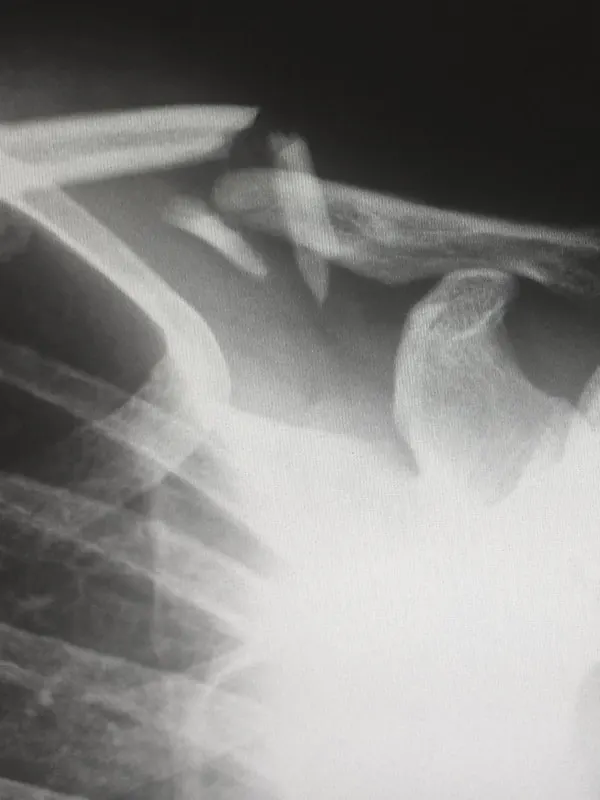
You've recommended the reconstruction. The MRI shows the tear. But the patient is staring at a grayscale image and hearing 'complete ACL disruption with anterolateral ligament involvement,' and what they're feeling is uncertainty. Visual reports give the consent conversation a clearer visual reference.
Hesitation needs clarity.
Hesitation complicates the consult.
Patients who cannot see the tear may need more time and explanation before they are comfortable with the recommendation.
Patients who see the tear understand more quickly.
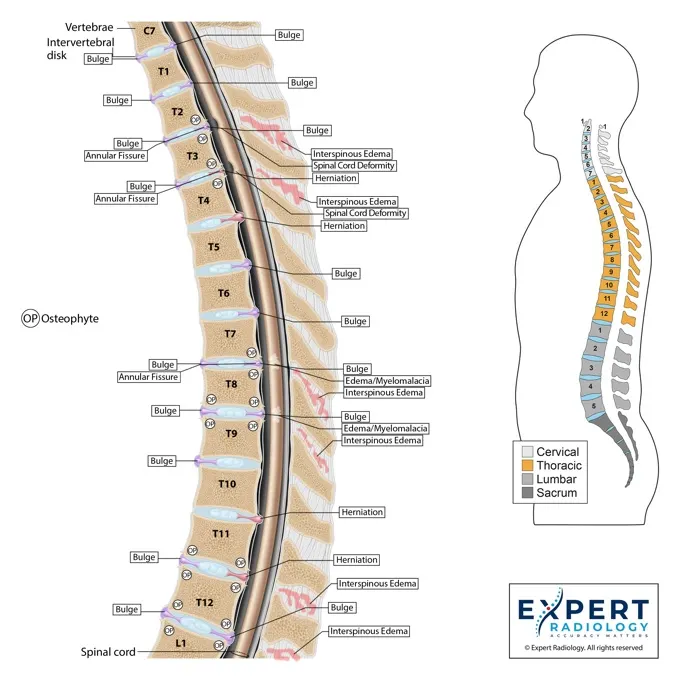
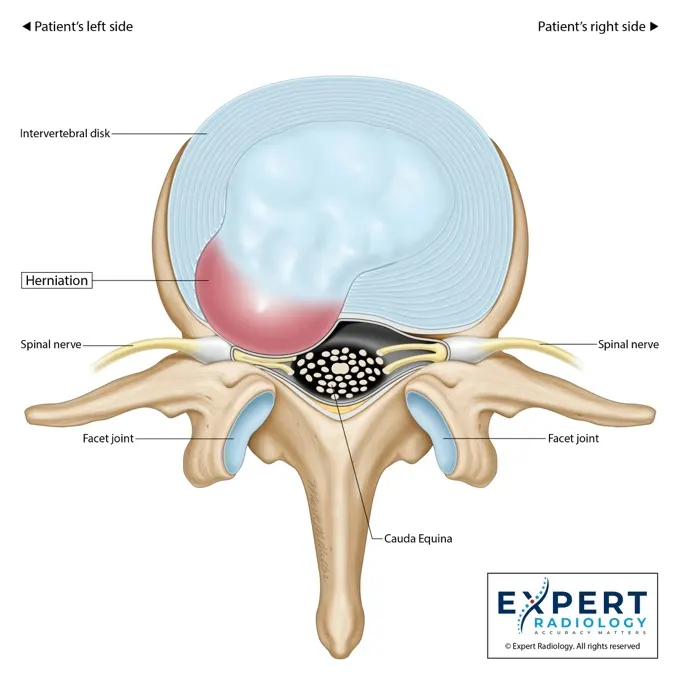
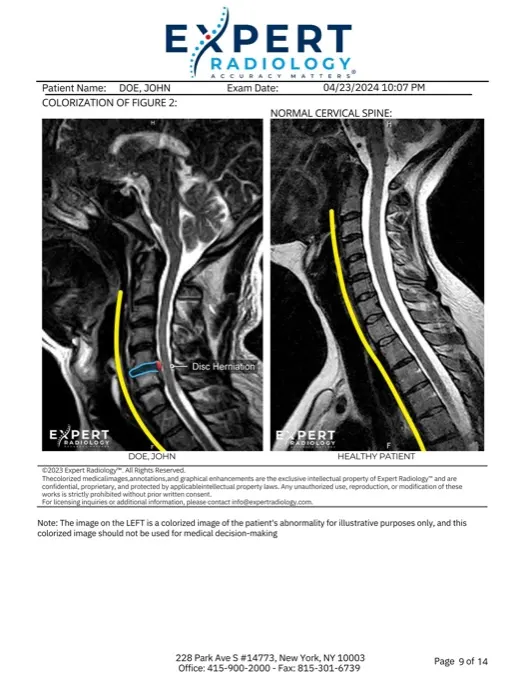
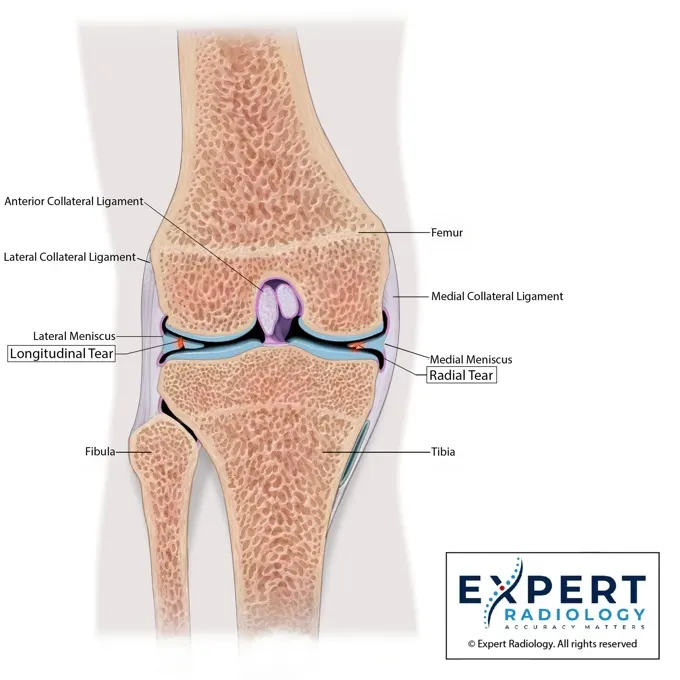
A colorized image of the torn ACL, retracted cuff, or displaced meniscus gives the consent conversation a clearer visual reference.
Twenty minutes of your consult gone explaining grayscale.
You shouldn't be the one translating MRI syntax into English.
The report does the translation.
You walk in with a plain-language summary and annotated images. The conversation is about the surgery, not the imaging.
General reads miss MSK-specific findings.
Partial-thickness tears, subtle labral pathology, post-op changes: the details that matter for surgical planning get undercalled by non-subspecialists.
MSK-focused eyes on orthopedic studies.
Reads route toward radiologists with deep experience in meniscus, cuff, and labrum pathology.
This is what your pre-surgical consult looks like with a v3™ in hand.
PrecisionPlus v3™ Report
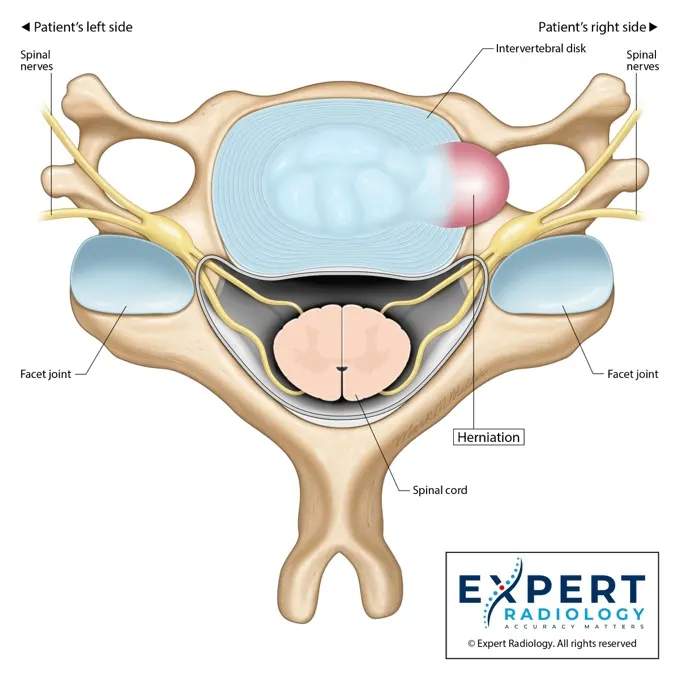
MSK-focused orthopedic reads paired with custom medical illustrations, colorized key images, and a plain-language patient summary. One report built for consent conversations, surgical planning, and post-op education.
Built for the consent conversation.
Colorized findings, plain-language context, and MSK-focused reads help patients understand the plan before they leave the room.
Colorized Key Images
Patients see the tear and can ask more informed questions.
Plain-Language Summary
Consent conversations start with clearer patient context.
Subspecialty Read
MSK-focused reads for meniscus, cuff, and labrum findings.
How it works for your practice.
Three steps, minimal workflow disruption. Use your existing imaging center or one from our network.
Submit the MRI.
Send the study through the ExRad Portal or your imaging partner.
We deliver a v3™ report.
Subspecialty-focused MSK read, annotated key images, and plain-language summary, with status visible through delivery.
Walk the patient through it.
Pre-surgical consent and rehab conversations start with clearer visual context.
Common questions from
orthopedic practices.
Everything you need to know about v3™ reports and surgical consent conversations.
Orthopedic studies route toward board-certified radiologists with MSK expertise. We do not treat orthopedic imaging as a commodity worklist.
It can support the conversation. A patient who can see the torn ligament, displaced meniscus, or retracted cuff tendon has a clearer basis for discussing the recommendation.
Yes. We also deliver post-op comparisons that show patients what was repaired and help explain the rehab plan.
Turnaround depends on case complexity, clinical priority, current volume, and the agreed workflow. Urgent surgical cases are prioritized appropriately.
See what your patients should be looking at.
Request a sample v3™ report and see the document your patients take home instead of a wall of grayscale and medical jargon.

Understanding MRI vs CT for Injury Cases
When is an MRI the right call versus a CT scan? We break down the clinical scenarios, strengths, and limitations of each modality for injury and trauma imaging.