
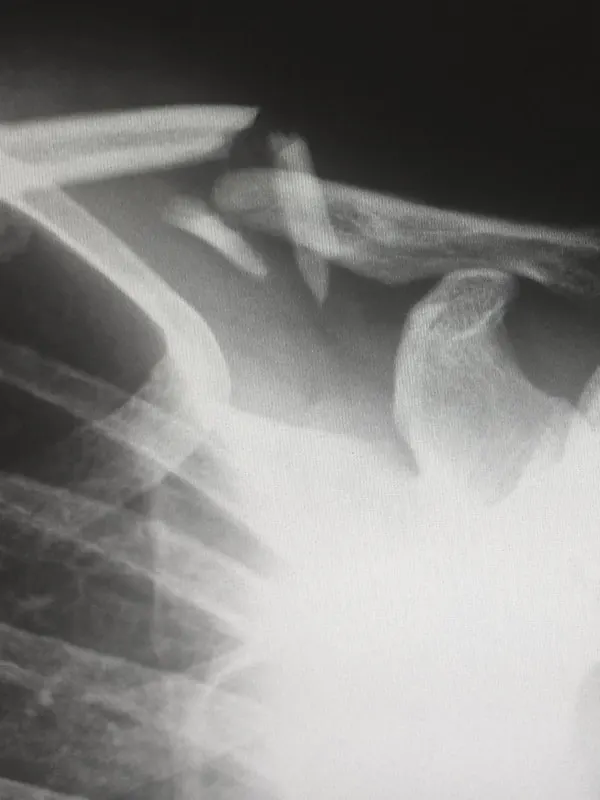



Patients need to understand the finding they can't see the reason for.
A patient with 'broad-based disc protrusion at L4-L5 with moderate foraminal stenosis' may nod politely and still leave unsure what the anatomy means. A visual report turns a vague diagnosis into a clearer explanation and gives prior-auth submissions more usable imaging context.
The gap between diagnosis and understanding.
Patients hesitate when the anatomy is abstract.
Epidurals, facet blocks, and nerve blocks are easier to discuss when the patient can see the relevant anatomy.
Patients can see the compression.
A colorized nerve-root image at the target level turns an abstract procedure into a more concrete care conversation.
Prior auth needs clear support.
"May represent," "cannot exclude," and "correlate clinically" can leave payer reviewers without clear imaging context.
Direct, subspecialist language.
v3™ reports describe supported findings clearly and include visual documentation for prior-auth review.
Chronic patients drift out of the plan.
Without ongoing visual justification, long-term management gets renegotiated at every visit.
A document they keep.
Visual reports become a reference the patient revisits between injections, therapy, and follow-ups.
This is the image that turns a diagnosis into a decision.
PrecisionPlus v3™ Report
Spine and pain-focused reads paired with colorized key images, custom medical illustrations, and plain-language summaries. One report built for informed-consent support, prior authorization support, and patient education.
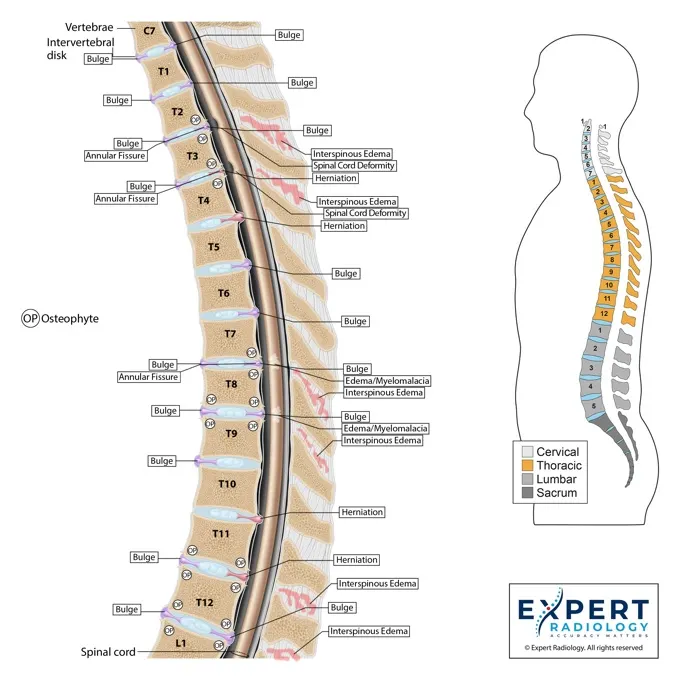
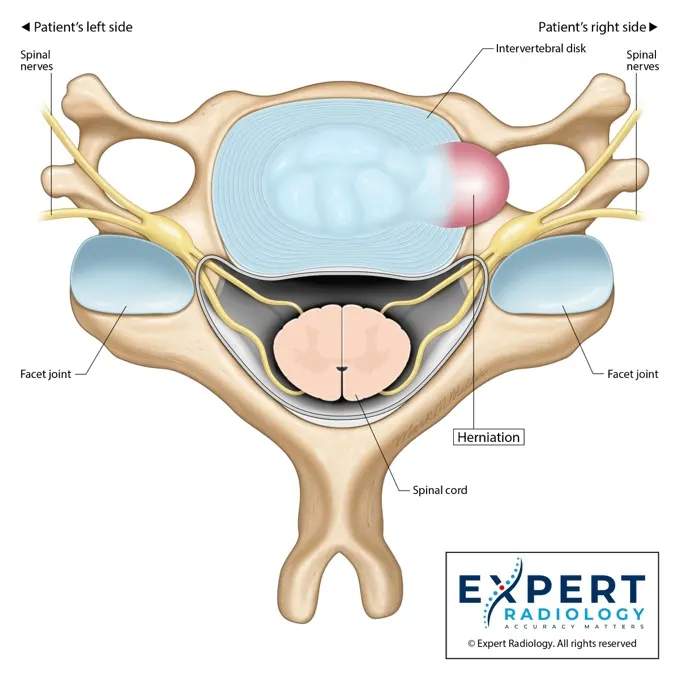
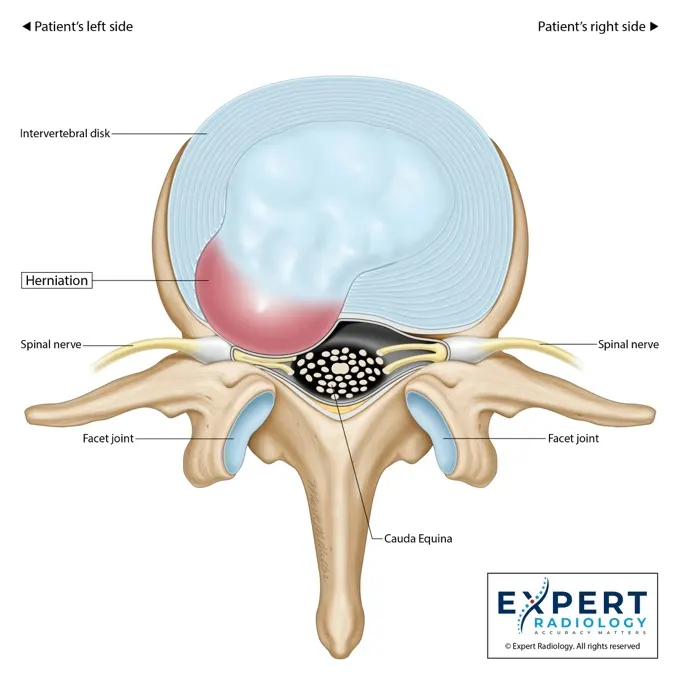
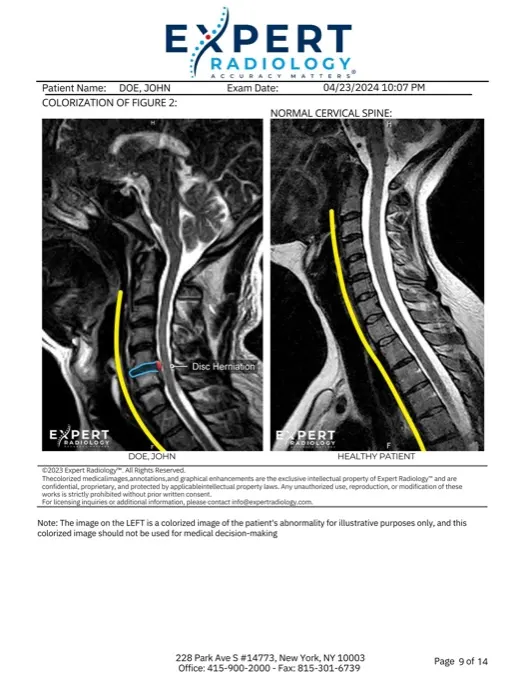
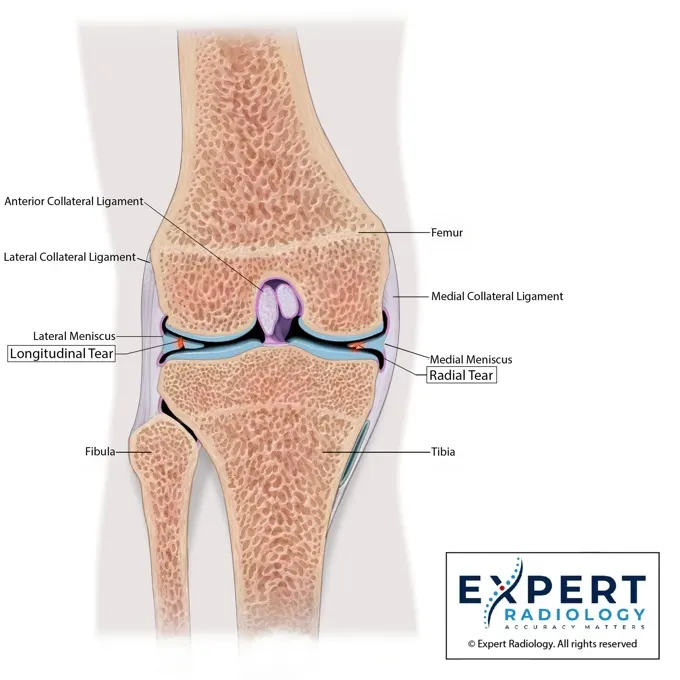
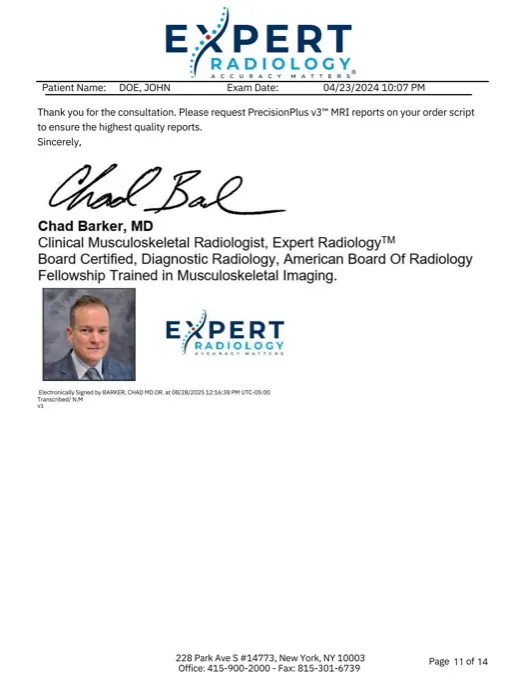
Built for patient understanding and prior-auth documentation.
Visual evidence and direct subspecialty language make treatment rationale easier for patients, referrers, and payers to follow.
Colorized Key Images
Patients see the nerve compression and better understand the proposed procedure.
Plain-Language Summary
Prior-auth submissions include clearer imaging context.
Subspecialty Read
Neuroradiology and MSK reads that catch nerve-root involvement other readers miss.
How it works for your practice.
Three steps, minimal workflow disruption. Use your existing imaging center or one from our network.
Submit the MRI.
Through the ExRad Portal or your imaging partner.
We deliver a v3™ report.
Subspecialty-focused read, neuroradiology for spine or MSK for joint, with colorized key images and plain-language summary. Status stays visible through delivery.
Use it everywhere.
Patient consults, injection planning, prior-auth submissions, and legal case files, all from the same report.
Common questions from
pain management providers.
Everything you need to know about v3™ reports, informed-consent support, and prior authorization.
Yes. v3™ reports use clear, subspecialist language with appropriate confidence. The visual annotations can support prior-authorization documentation when payer criteria require imaging context.
Absolutely. Annotated images show exactly where nerve compression, facet degeneration, or disc pathology is occurring. Both the patient and the referring provider see the rationale for the target level.
Same report, dual use. The visual documentation that supports care-plan understanding can also make demand letters and mediation exhibits easier to evaluate.
Turnaround depends on case complexity, clinical priority, current volume, and the agreed workflow. Urgent cases are prioritized appropriately.
See what your patients should be looking at.
Request a sample v3™ report and see the document your patients take home instead of a wall of grayscale and medical jargon.

The Role of Second Opinions in Diagnostics
A second read can change everything. Explore how radiology second opinions catch missed findings and strengthen clinical and legal outcomes.